How to Wash & Care for Handmade Milk Cotton Crochet: The Ultimate Guide
Protect the shape, softness, and vibrant yarn texture of your slow-crafted heirloom pieces for decades.
Mehak Agarwal
Founder & Lead Artisan at GoCocoon • 5 min read
Why Handmade Milk Cotton Crochet Requires Special Love
Unlike mass-produced synthetic knitwear from high-street factory brands, every GoCocoon creation is crafted knot-by-knot using 100% pure organic milk cotton cord. Milk cotton is renowned across the artisanal craft world for its cloud-soft touch, breathable tension, and delicate natural sheen.
Because there are no harsh industrial chemical stabilizers or plastic coatings on our yarns, following the correct wash and care ritual ensures your pieces maintain their sculptured structure, vibrant dye tones, and stitch tension for years to come.
The 5-Step Golden Wash Ritual
- Cold Water Only: Fill a clean basin or sink with cool or lukewarm water (never exceeding 30°C / 85°F). Hot water relaxes the natural cotton fibers and can cause delicate motifs to lose their firm architectural silhouette.
- Mild Liquid Cleanser: Add a small spoonful of gentle baby shampoo, wool-wash, or mild pH-neutral liquid detergent. Avoid bleach, enzymes, fabric softeners, or abrasive powder detergents that leave chalky residue in deep stitches.
- Submerge & Swish (No Scrubbing!): Submerge your crochet handbag, bandana, or scrunchie and gently swirl it through the soapy water for 2–3 minutes. Press gently with your palms to allow water to penetrate the fibers. Never scrub, wring, or rub the yarn surfaces against each other.
- Thorough Rinse: Drain the soapy water and rinse thoroughly with clear, cool water until all suds dissolve completely.
- The Towel-Roll Squeeze: Never twist or wring handmade crochet! Place your freshly rinsed piece onto a clean, dry, fluffy bath towel. Roll the towel up like a sushi roll with the crochet inside, and gently press down with your forearms. The towel absorbs over 80% of excess moisture without stretching the yarn tension.
Reshaping & Flat-Drying: The Secret to Perfect Architecture
After the towel press, gently unroll your item. Using your fingertips, sculpt the item back into its original geometric form:
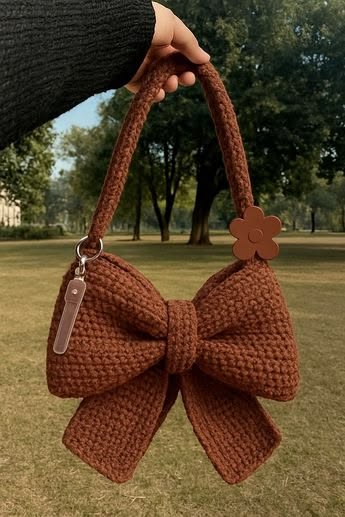
- For bow knot handbags, gently puff the side gussets and fluff the ribbon bow knot.
- For triangle bandanas, stretch the corner ties evenly and flatten the scalloped edging.
- For waist wraps, straighten the braided tassels so they dry smoothly without crimping.
Crucial Rule: Always dry flat on a horizontal drying rack or clean towel in a shaded, well-ventilated room. Never hang a wet crochet bag by its straps from a peg or hanger, as gravity will pull the wet fibers and permanently distort the dimensions.
Daily Storage & Pilling Prevention
Store your crochet pieces in breathable cotton dust bags (every GoCocoon order includes our complimentary reusable slow-cloth packaging). Avoid storing near abrasive metal zippers, velcro, or sharp jewelry that could snag the loops.
If small friction fuzz appears after months of love, do not yank it with your fingers! Simply snip it cleanly using small embroidery shears or a battery-operated fabric debobbler.
About Mehak Agarwal
Mehak is the heart and hands behind GoCocoon. Dedicated to reviving slow artisanal needlework in India, she slow-knits made-to-order treasures using 100% pure organic milk cotton cord.