The Gentle Art of Milk‑Cotton Crochet: From Soil to Stitch
Discover how Cocoon’s organic milk cotton transforms slow‑fashion bags into heirloom accessories you’ll love to wear.
Mehak Agarwal
Founder and Lead Artisan at Cocoon • 5 min read
From Seed to Yarn: The Birth of a Cocoon Bag
Every Cocoon creation begins in the fertile fields of Maharashtra, where local farmers cultivate organic milk cotton using age‑old, regenerative practices. The cotton is harvested by hand, ensuring each boll is treated with care, then air‑dried under the sun to preserve its natural luster.
Once the fibers reach our studio, they undergo a meticulous hand‑spinning process. Artisans twist the soft, hypoallergenic yarn into skeins that retain the cotton’s breathability while providing the strength needed for sturdy crochet work.
Why Milk Cotton Matters in Slow Fashion
Milk cotton isn’t just a marketing buzzword—it’s a material choice rooted in sustainability:
- Hypoallergenic: Ideal for sensitive skin, making our bags safe for all ages.
- Biodegradable: When the life cycle ends, the fibers return to the earth without micro‑plastic pollution.
- Low water footprint: Grown in rain‑fed regions, it consumes far less water than conventional cotton.
These attributes align perfectly with the slow‑fashion ethos: creating fewer, higher‑quality pieces that last.
The Crochet Process at Cocoon
Our artisans blend traditional Indian crochet techniques with contemporary design sensibilities. Each bag follows a three‑stage workflow:
- Design Drafting: Sketches are translated into stitch charts, ensuring repeatable patterns.
- Stitching: Using a 5 mm hook, artisans work row by row, constantly checking tension to keep the fabric even.
- Finishing: Edges are reinforced with a subtle blind stitch, and hand‑sewn leather straps are attached for durability.
The result is a lightweight yet resilient tote that drapes gracefully, echoing the softness of the original cotton.
Styling Your Handcrafted Pieces
Milk‑cotton crochet bags are versatile canvas pieces. Here are three curated looks:
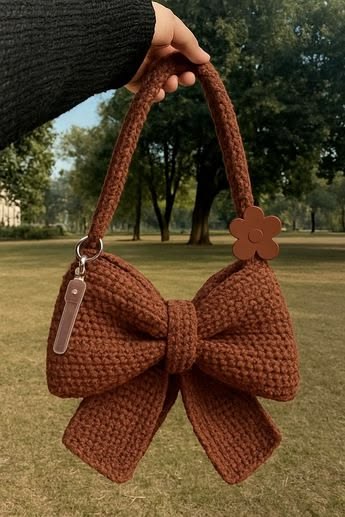
- Urban Minimalist: Pair a chocolate‑bow handbag with a monochrome blazer, white sneakers, and a sleek watch.
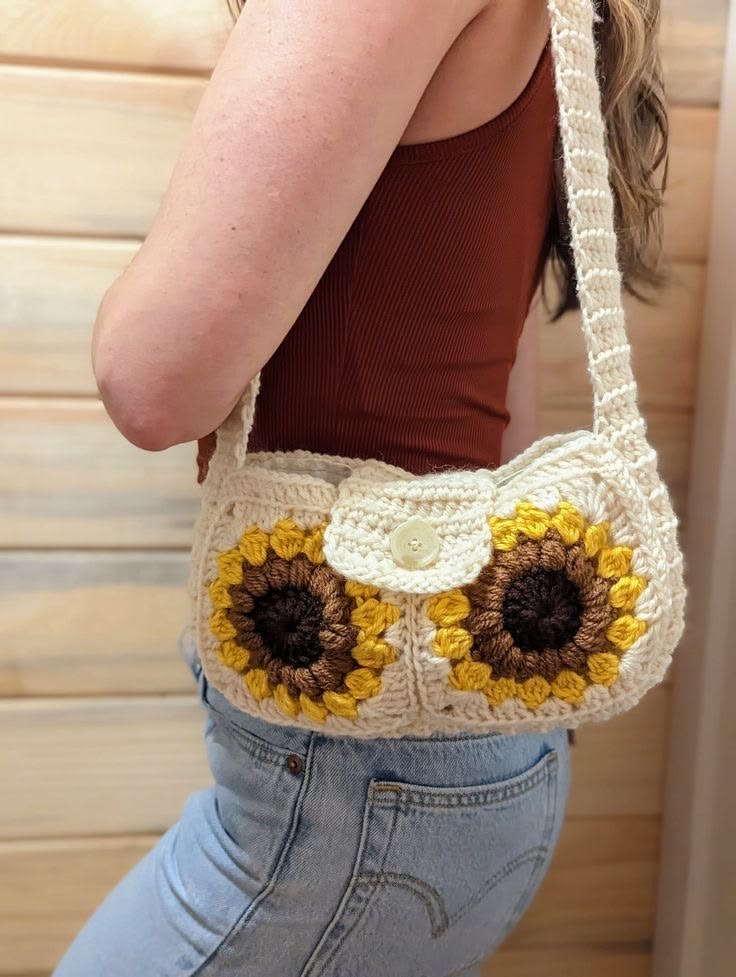
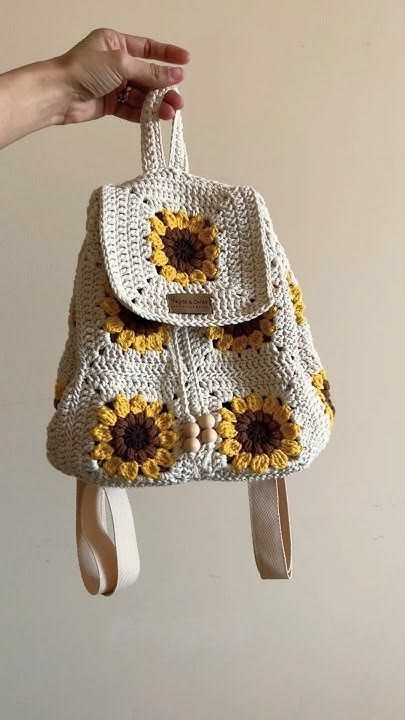
- Boho‑Chic: Toss a sunflower‑bag over a flowing maxi dress, add layered necklaces, and finish with strappy sandals.
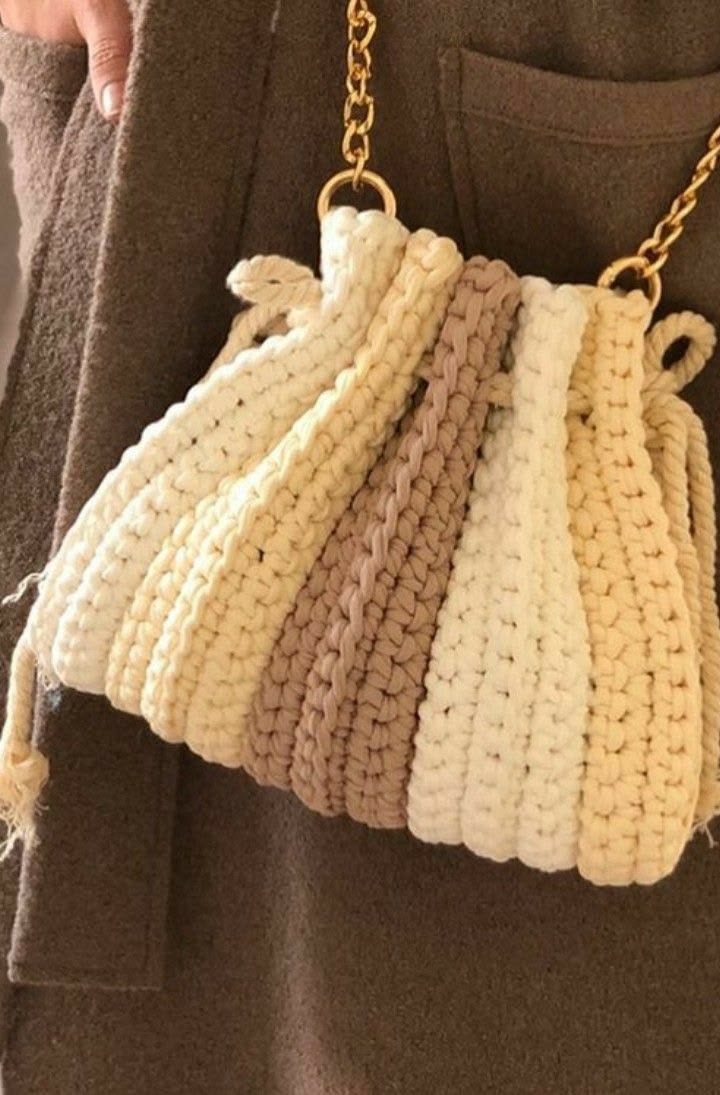
- Work‑Ready Softness: Slip a muted‑tone waist wrap under a structured coat for a subtle texture contrast.
Because the yarn is naturally breathable, these accessories stay comfortable even on the longest days.
Caring for Longevity
To keep your Cocoon bag looking fresh:
- Hand‑wash in lukewarm water with a mild, plant‑based detergent.
- Lay flat to dry, reshaping the bag while damp to maintain its silhouette.
- Avoid direct sunlight for extended periods to prevent fading.
With proper care, the fibers soften further, developing a cherished patina that tells the story of every adventure.
Beyond the Bag: A Commitment to Community
Every purchase supports the women’s cooperative that spins our yarn, providing fair wages and skill‑building workshops. By choosing Cocoon, you become part of a circular economy that values people, planet, and timeless design.
Embrace the gentle art of milk‑cotton crochet—where each stitch is a promise of sustainability, comfort, and enduring style.
Frequently Asked Questions
Q:What makes Cocoon’s milk cotton different from regular cotton?
Cocoon sources 100% hypoallergenic organic milk cotton grown without synthetic pesticides; its extra‑soft fibers are hand‑spun, giving our crochet pieces a buttery feel that regular cotton can’t match.
Q:How can I style a milk‑cotton crochet bag for everyday wear?
Pair a neutral‑toned milk‑cotton tote with denim and a crisp shirt for a casual office look, or drape a pastel waist wrap over a summer dress for an effortless boho vibe.
About Mehak Agarwal
Mehak is the heart and hands behind Cocoon. Dedicated to reviving slow artisanal needlework in India, she slow-knits made-to-order treasures using 100% pure organic milk cotton cord.